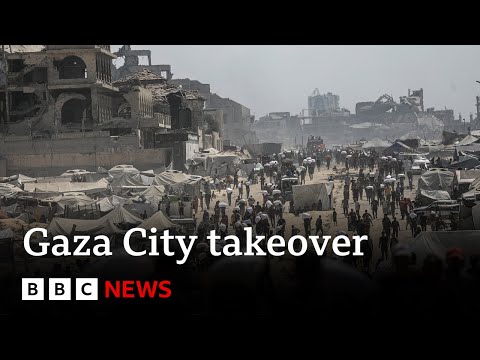
Israel PM states the objective for Gaza takeover
Israel PM states the objective for Gaza takeover
Israeli Prime Minister Benjamin Netanyahu has publicly restated the core objectives underpinning Israel's military campaign in Gaza, insisting that the operation will not end until all conditions are met. Speaking in a nationally televised address and in subsequent interviews with international media, Netanyahu outlined what he described as the minimum requirements for any cessation of hostilities.
Hamas must lay down its arms. Gaza must be fully demilitarised. All hostages taken during the October 2023 attacks must be released unconditionally. And Israel, Netanyahu stated, must retain overall security responsibility for the Gaza Strip for the foreseeable future. He rejected proposals for the Palestinian Authority to assume immediate governance of Gaza, arguing that any post-conflict administration must be vetted and approved by Israel.
The statements drew immediate and widespread international criticism. The United Nations, the European Union, and the Arab League all issued statements rejecting the framing of Israeli security control over Gaza as a legitimate post-conflict arrangement, arguing that it amounts to a form of permanent occupation incompatible with international law and the rights of the Palestinian people to self-determination.
Overwhelming global public opinion continues to condemn Israel's plans. Polling across Europe, the Americas, Africa, and Asia consistently shows large majorities opposing the continuation of military operations and supporting an immediate ceasefire. Protests have taken place in dozens of cities, with demonstrators calling on their governments to impose arms embargoes and take concrete diplomatic action.
Hamas, for its part, rejected Netanyahu's conditions as a pretext for permanent occupation and called on the international community to hold Israel accountable for what it described as war crimes. Ceasefire negotiations, mediated by Qatar, Egypt, and the United States, remain stalled, with the gap between the parties' stated positions appearing as wide as ever.
Supporting Video